






I recently had an opportunity to visit South Korea, and this trip left a very positive impression on me.
Before going there, I knew South Korea mainly as a country of technology, K-pop, Korean food and large modern cities. But after spending time there, I realized that there is much more to the country.
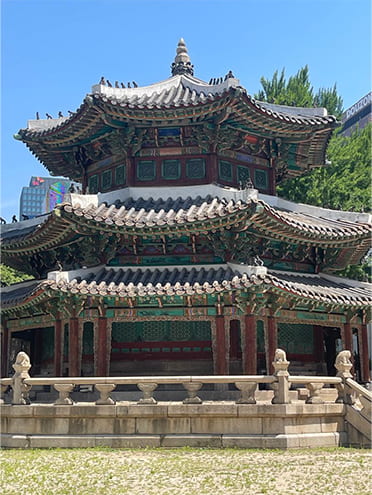
The thing that impressed me most was the combination of tradition and modern life. In Seoul, you can walk through a modern business district with high-rise buildings and digital screens, and just a few minutes later find yourself near a palace or a traditional Korean neighborhood. These two worlds do not seem to conflict with each other. They are simply part of the same city.
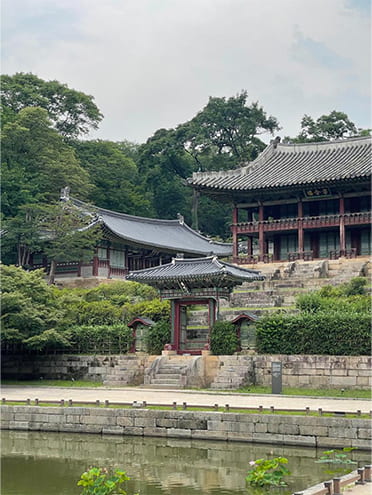
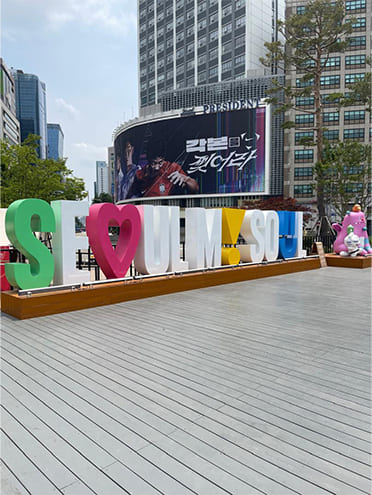
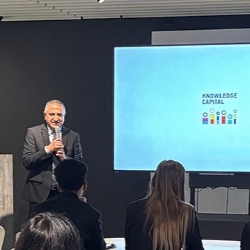
For me, this was especially interesting because I work in the field of digital development. We often talk about digital transformation as something that governments are trying to achieve. In Korea, I could see what digital transformation looks like in everyday life.
Public transportation is a good example. It is convenient, well organized and supported by digital technologies. Information is easy to access, payments are increasingly digital, and many everyday services can be used without unnecessary paperwork or complicated procedures.
What I liked is that technology does not attract attention to itself. It simply works.
This made me think about our own digital transformation efforts in Kyrgyzstan. Sometimes the most successful digital service is not the one with the most advanced technology, but the one that makes people's everyday life easier.
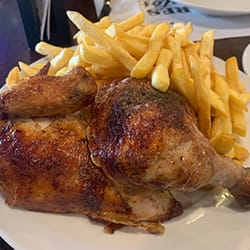
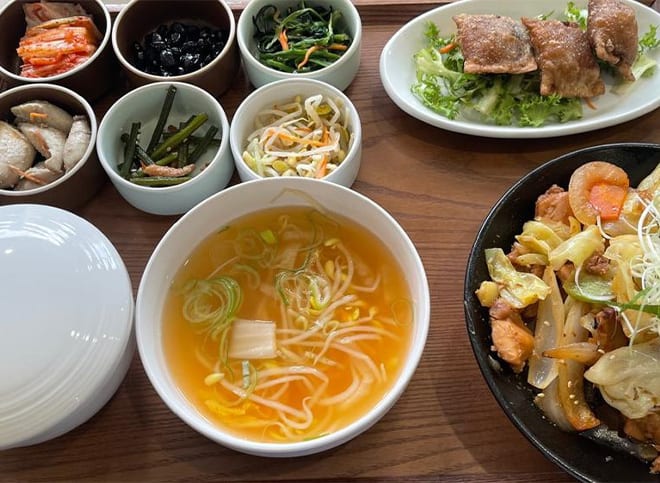
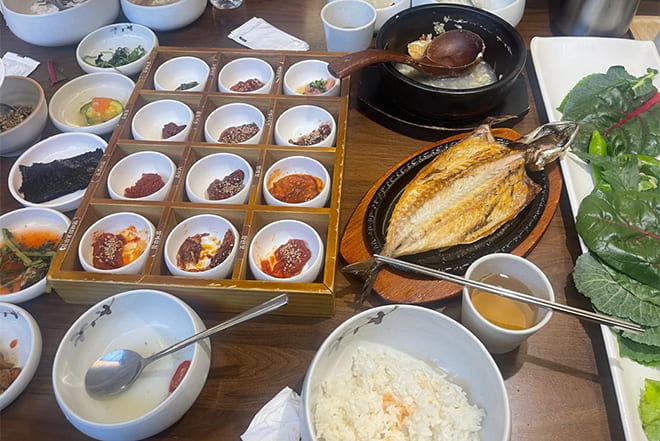
Another thing I enjoyed was Korean food. Of course, I had tried some Korean dishes before, but eating them in Korea is a completely different experience. Meals are often shared, with many different side dishes on the table. Korean barbecue was one of the experiences I particularly enjoyed. It is not only about the food but also about the atmosphere and the interaction around the table.
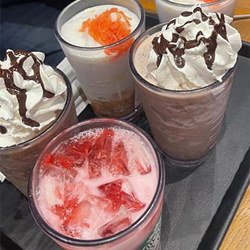
I also noticed how important cafés are in Korean urban life. There are cafés almost everywhere, and many of them have their own style and atmosphere. Some are very modern and minimalistic, while others are more traditional or creative. Walking around Seoul and discovering these places was an enjoyable part of the trip.
At the same time, Seoul is a very busy city. There are many people, cars, shops and advertisements. But despite this, I did not feel uncomfortable or unsafe. The city is generally clean and organized, and public transportation makes it relatively easy to move around.
Coming from Kyrgyzstan, I also paid attention to the mountains. Seoul is a huge modern city, but mountains are still very close. This reminded me in some way of Bishkek, where the mountains are also an important part of the city's character. Of course, the scale and environment are different, but the connection between the city and nature felt familiar.
I was also positively surprised by the people. Koreans may seem reserved at first, but when I needed help, people were generally willing to assist. Even when there was a language barrier, people tried to communicate. A simple “Annyeonghaseyo” or “Gamsahamnida” often helped to make the interaction warmer.
Before the trip, I expected South Korea to be highly technological. That expectation was confirmed. But I did not expect to appreciate the cultural side of the country as much as I did.
For me, the main lesson from the trip is that modernization does not necessarily mean giving up traditions.
South Korea has developed very quickly, but at the same time it has preserved its culture, food, architecture and traditions. Modern buildings stand next to historical palaces. Digital services exist alongside traditional markets. New trends develop very quickly, while old customs remain part of everyday life.
This balance is probably what impressed me most.
I came to South Korea expecting to see a technologically advanced country. I left with a broader impression: South Korea is a country that has managed to look towards the future without forgetting its past.
That is what I will remember most from my trip.