






World Contemporary Art Gathered at "Art Basel Hong Kong 2026"
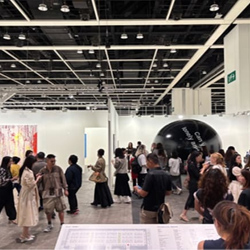
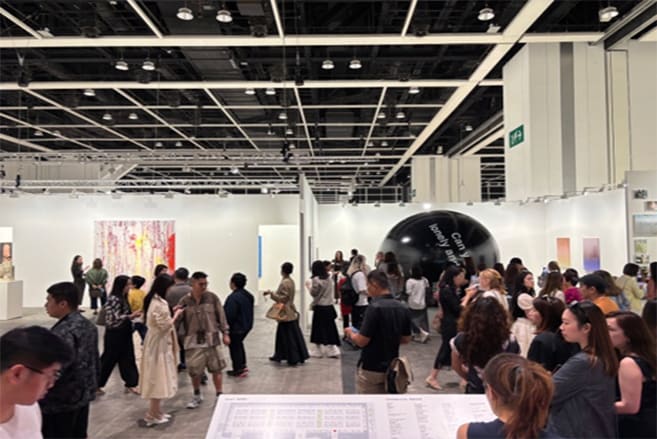
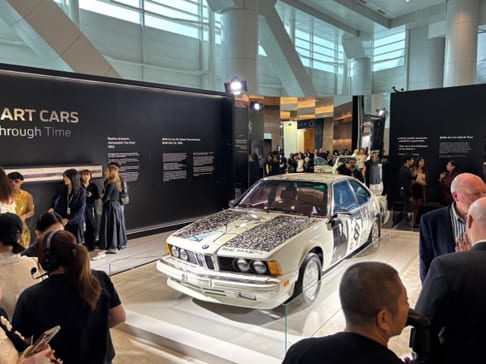
On the first day, the team visited "Art Basel Hong Kong 2026," one of the main objectives of this trip.
The venue spanned multiple floors, bringing together a diverse array of artists and works from mega-galleries worldwide to up-and-coming spaces. Exhibitions crossed various genres, including paintings, sculptures, textiles, and digital installations.
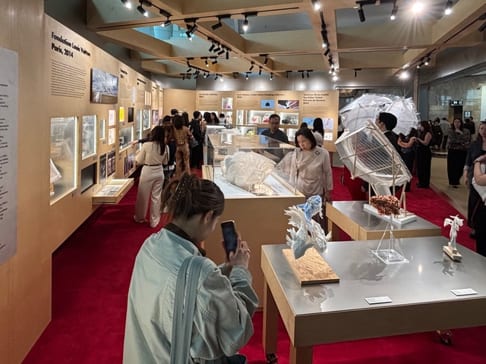
Collaboration exhibits with corporate brands were also particularly striking. Examples included an architectural model exhibition by Louis Vuitton and an art car display by BMW, showcasing numerous spatial presentations that successfully blended brand identities with art.
It was a great opportunity not only to experience the energy of an international art fair where collectors and stakeholders gather from across the globe, but also to gain many insights into the possibilities of "city branding through art."
Visiting the Hong Kong Palace Museum
A Cultural Facility Balancing History, Culture, and Public Accessibility
On the morning of the second day, the team visited the Hong Kong Palace Museum, located in the West Kowloon Cultural District.
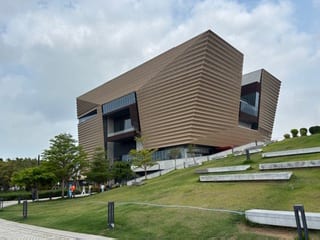
Opened in 2022 in collaboration with the Palace Museum in Beijing, this facility displays rare cultural artifacts related to Chinese culture and history. The spacious foyer and grand staircase areas are utilized not only for exhibitions, but also for diverse cultural programs such as workshops and poetry/story readings.
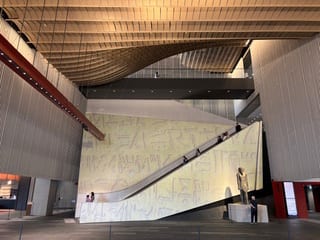
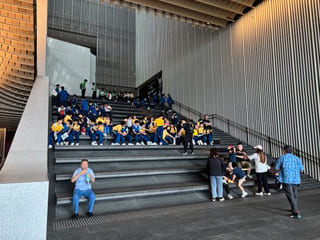
The museum features a 400-seat auditorium suitable for a wide range of uses, including lectures, press conferences, and small-scale performances. Overall, the facility’s design impressively balances cultural transmission with community accessibility.
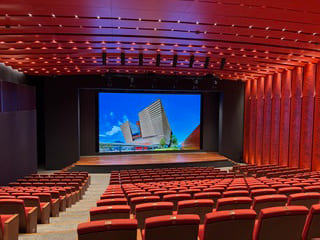
Additionally, many groups of elementary and secondary students were visiting that day, making it an inspection that strongly highlighted the museum's role in partnering with educational institutions and fostering the next generation.
"M+ Museum": One of Asia's Largest Contemporary Cultural Facilities
In the afternoon, the team visited M+, a museum dedicated to 20th- and 21st-century visual culture.
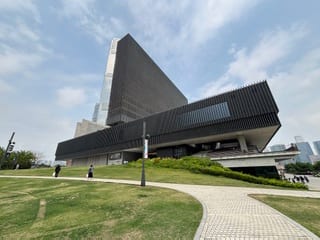
Housing approximately 30 exhibition galleries, M+ features cross-disciplinary exhibits spanning art, architecture, design, moving images, and product design.
It was fascinating to see Japan’s design culture presented in an international context through numerous Japan-related exhibits—such as Sony’s Walkman, a capsule unit from the Nakagin Capsule Tower, and spatial designs by Shiro Kuramata.
Furthermore, the "Making It Matters" exhibition introduced projects linked to community revitalization and social issues under the theme of the relationship between manufacturing and society, including musical instruments crafted from waste materials.
Spotlight on Learning Spaces Supporting "Education"
Particularly impressive during this visit was the "Learning Hub" inside M+.
Designed to flexibly accommodate workshops and educational programs, the space is efficiently equipped with storage, sinks, and large equipment, allowing for highly versatile operations.
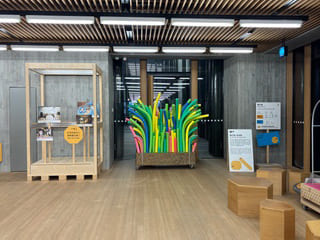
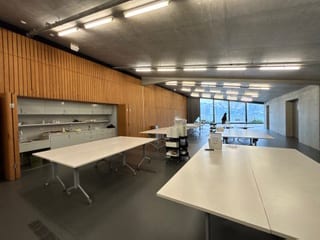
This spatial design—which emphasizes "experiencing, learning, and participating" alongside art appreciation—offers valuable reference points for future lab operations and program developments at Knowledge Capital.
Conclusion
In Hong Kong, urban strategies centered around culture and art, alongside citizen-participatory initiatives, are being actively pursued by leveraging its strengths as an international city.
Knowledge Capital will utilize the insights gained from this trip to build spaces that foster creativity and learning, while continuing to forge new collaborations both domestically and internationally.