






But this year, I sensed a small change in that familiar scene.
In 2026, Italy has been hit by intense heat since early summer, with repeated heat waves. In Milan as well, stepping outside meant being enveloped in hot air, and there were many days when even walking around the city from the morning felt like too much effort. You want to believe that going to the seaside will be cooler, but this year, even the coast was no exception. Under the intense sun, spending long hours on the beach during the day is no longer necessarily a comfortable vacation.
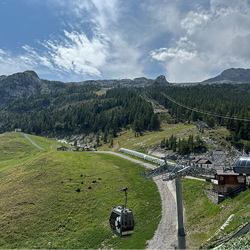
This year, one word I have started seeing often in Italy is “Coolcation.” It combines the English words “cool” and “vacation” and literally means a vacation in search of cooler weather. It refers to a travel style that avoids hot seaside areas and cities and instead spends holidays in higher-altitude mountains, lakes, forests, and similar places.
When you live in northern Italy, the Alps and the Dolomites do not feel far away. Just a few hours by car or train can bring you into air that feels completely different from Milan’s muggy heat. During the day, people enjoy hiking in the mountains or strolling by lakes, and by evening the temperature drops so much that in some places you may want a jacket. In contrast to city nights when the heat makes it hard to sleep, even being able to “sleep soundly somewhere cool” has now become part of the appeal of a vacation.
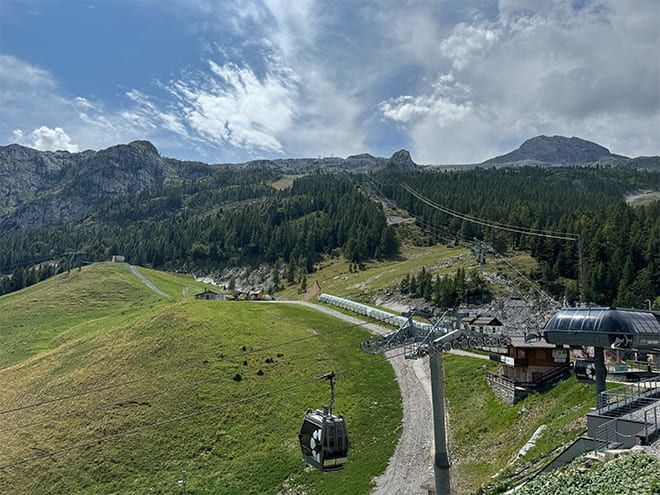
In fact, mountains have become significantly more popular in Italy this year. According to a summer mountain tourism survey, around 7.8 million people are traveling to mountain areas, a sharp increase from the previous year. In addition, around 11.7 million overnight stays were recorded in mountain areas in August, and the figures clearly show that escaping the heat is influencing people’s choice of destination.
For Italians, “summer means the sea” is not just one travel option; it is a culture in itself. It is not unusual for people to go to the same beach every year, stay at the same hotel or rental apartment, and spend weeks by the sea with family and friends. The idea of “leaving work behind in August and heading to the sea” is rooted in everyday life even more deeply than Japan’s Obon holiday.
But now, that is starting to shift from “the sea because it is summer” to “somewhere cool because summer is hot.” Of course, this does not mean Italians have stopped loving the sea. It is just that temperature has clearly joined scenery, food, and hotel prices as one of the conditions people consider when choosing where to travel.
Now that extreme heat is becoming normal in Japan as well, Coolcation is probably not just an Italian story. Perhaps our own image of summer vacation as something spent at the sea may one day change to one spent on cool plateaus or in the mountains.